If you’re picturing a classic New England town with an easy Boston commute, Reading belongs on your shortlist. It sits about 12 miles north of the city, offers direct commuter rail, and has a walkable downtown around the depot. You’ll find established neighborhoods, a strong single-family home presence, and convenient highway access. In this guide, you’ll get a clear view of housing, commute options, schools, amenities, taxes, and next steps so you can decide with confidence. Let’s dive in.
Reading at a glance
Reading is a mature suburb in Middlesex County, positioned for quick access to Boston and the North Shore. The town highlights its location about 12 miles north of Boston and its direct MBTA commuter rail service from the depot in the center (town overview).
Population is about 26,000, owner-occupied housing is high at roughly 83 percent, the mean travel time to work is about 30.6 minutes, and the median household income is approximately $163,725 (Census QuickFacts). The FY2025 residential property tax rate is $11.39 per $1,000 of assessed value, with rates set annually each fiscal year (Assessor’s office). Reading’s housing stock is predominantly single-family, and over half of homes were built before 1950, which adds historic character and important maintenance considerations (Arts & Culture Action Plan).
Getting around
Commuter rail to North Station
Reading is served by the MBTA Haverhill Line at the depot downtown. Typical travel time into Boston’s North Station is about 30 to 35 minutes, depending on the train and time of day (town planning report). Service patterns can shift with capital work and MBTA planning. The agency has discussed more frequent inner-Haverhill service, which could improve convenience for station-area homes (service frequency update).
Driving and highways
If you drive, Reading’s location between I-93 and I-95/Route 128 makes regional travel straightforward. You can reach Boston, Cambridge, and Route 2 or Route 3 corridors with relative ease, though peak-hour congestion varies (town overview). Many residents blend rail, car, and hybrid-work schedules to balance time and flexibility.
Bus links and walkability
MBTA bus routes connect Reading to rapid-transit lines, including Orange Line connections by bus (town overview). Town-wide walkability is modest, with an overall Walk Score in the mid 30s, while the station and immediate downtown are more walkable for daily errands (Walk Score). If a car-free lifestyle matters to you, focus your search near the depot and Town Common.
Neighborhoods and homes
Reading Center and the depot area
The heart of Reading centers on the Town Common and depot. You’ll find a compact, historic downtown with local shops and restaurants. Parts of the center have local historic protections, which help preserve the district’s character and streetscape (Arts & Culture Action Plan).
West Side, Greenwood, and more
Common neighborhood references include West Side, Greenwood, Montrose, Woodville, and East Side. West Side and Greenwood tend to feature larger lots and more substantial single-family homes, while other pockets offer a mix of early 20th-century houses and mid-century capes and ranches. You’ll also find some townhouse and condo infill near the station and along commercial corridors.
Styles, age, and maintenance
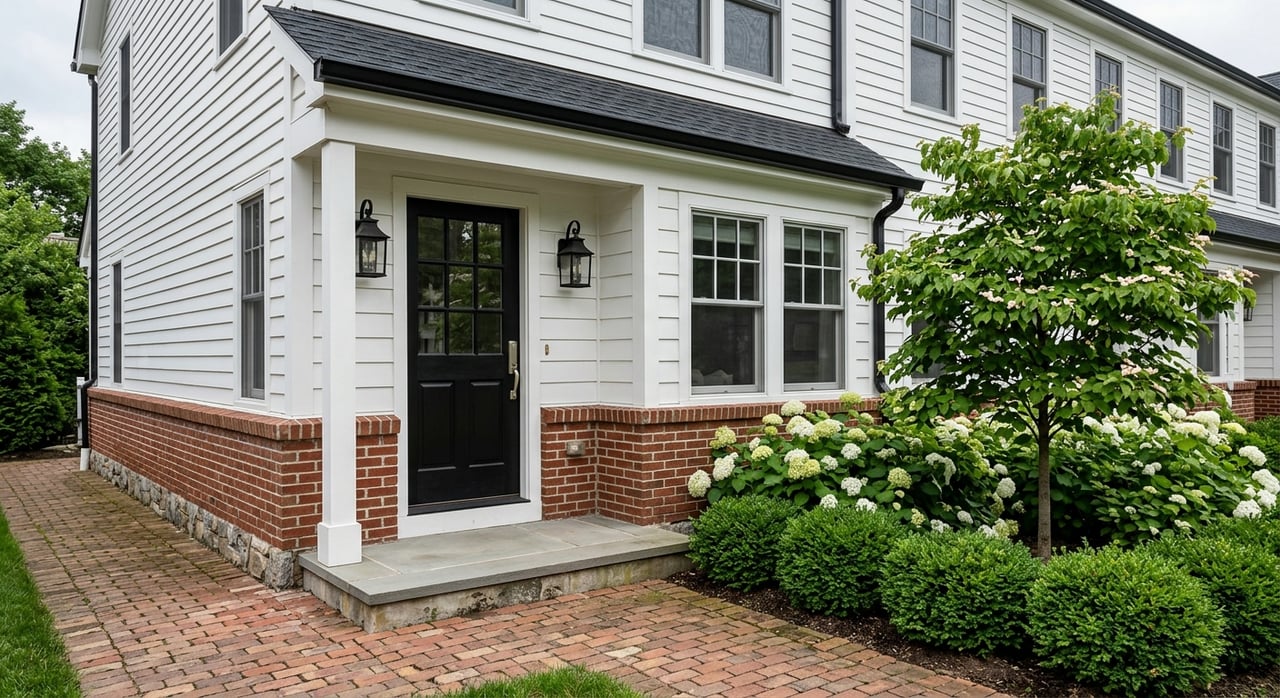
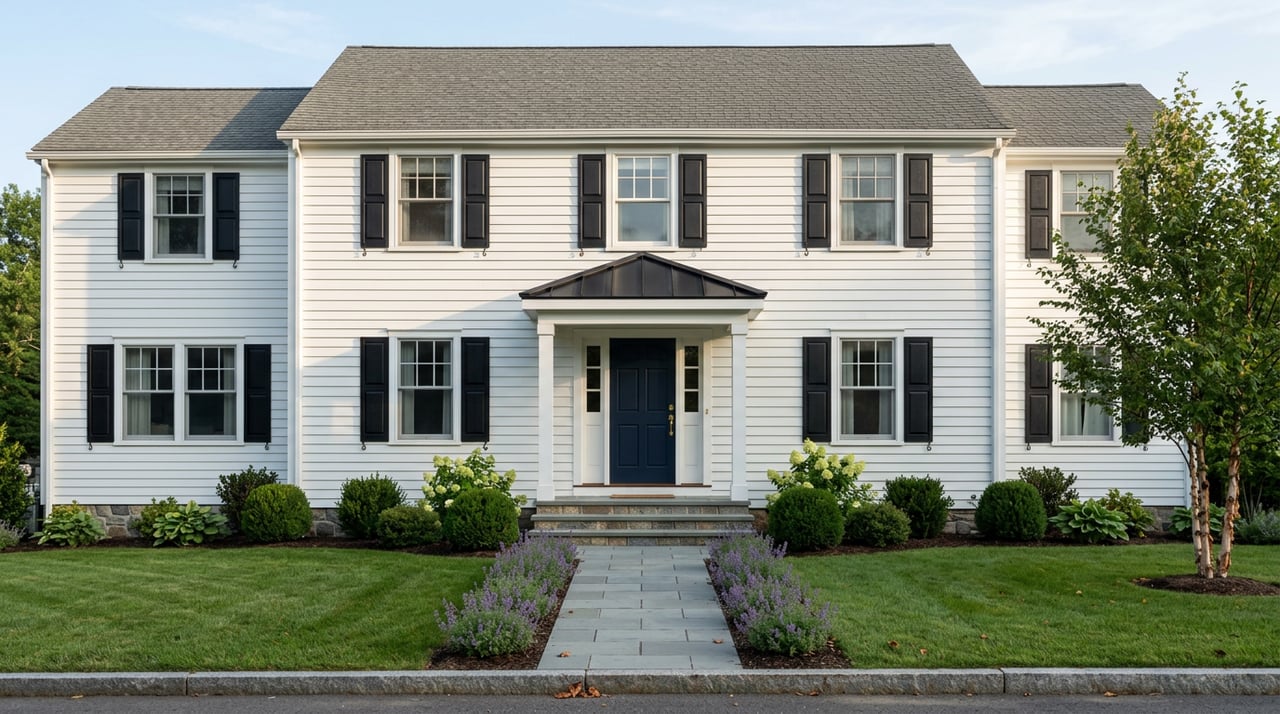
Expect Colonial and Victorian-era homes near the center and older streets, and many mid-20th-century capes and ranches in later subdivisions. With so much housing predating 1950, factor in systems updates and insulation improvements, and be mindful of potential issues in older homes such as lead paint or legacy wiring. A thorough inspection and contractor consult can help you budget realistically (Arts & Culture Action Plan).
Historic districts and projects
Reading has local and National Register historic areas in and around the center, guided by the Historic District Commission. If you plan exterior changes, review requirements early to confirm what is permitted before you make an offer (Arts & Culture Action Plan).
What homes cost
Market snapshots from different data providers vary by method and timing. In recent reporting, typical value indexes placed Reading in the high 800s, while some monthly median sale prices have ranged from the mid 700s to the mid 800s. Use current MLS comparables to pin down pricing for your specific property type and location, and remember that seasonality and inventory can move the needle quickly.
Schools and programs
Reading Public Schools is a single-district system with nine schools, including one preschool, five elementary schools, two middle schools, and Reading Memorial High School serving grades 9 to 12. For school-level enrollment and assessment snapshots, review the Massachusetts DESE district review and the district’s profiles, and always confirm attendance zones directly with the district before relying on them for a particular property (DESE district review).
Parks, library, and community life
Parks and open space
Reading Town Forest, Marion Woods, Cedar Swamp, and other conservation parcels offer trails and natural space for weekend walks and youth activities. The town’s recreation department runs seasonal programming across parks and fields (Arts & Culture Action Plan).
Library, events, and programming
Reading Public Library is a major civic anchor with year-round programs, and the town hosts seasonal gatherings on the Town Common. Community events continue to grow under the Arts & Culture Action Plan (town event highlight). Local organizations, including the Burbank YMCA, add youth and adult programming to the calendar.
Healthcare access
You’re within a short drive of regional hospitals, including MelroseWakefield and Lahey Hospital & Medical Center in Burlington. For most residents, these facilities are about 10 to 15 minutes away depending on traffic (reference map).
Zoning and what’s ahead near the station
Reading has completed MBTA-Communities zoning work and updated the Downtown Smart Growth (40R) and Apartment-80 districts to allow more multi-family housing near the depot. Expect some change in the development mix within a half mile of the station over the coming years. If near-home density or walkable amenities are priorities, review the town’s materials and meeting notes as part of your due diligence (MBTA-Communities process).
Is Reading a fit? Quick buyer checklist
- Visit on a weekday morning, a weeknight, and a weekend to gauge traffic, parking, and downtown energy.
- Compare MBTA train schedules to your work hours and watch for service updates that could affect frequency and reliability (town planning report; service update).
- If you value walkability, focus near the depot and center; the town-wide Walk Score is in the mid 30s (Walk Score).
- For older homes, budget for systems, insulation, roof, and potential lead paint or legacy wiring, and schedule a thorough inspection (housing age context).
- Confirm school attendance zones with the district and review DESE profiles for program and assessment context (DESE district review).
- Ask about historic-district requirements if you plan exterior changes near the center (historic context).
- Review the latest property tax rate during your budgeting and confirm each fiscal year’s certified rate (Assessor’s office).
- If station-area change matters to you, read the town’s MBTA-Communities updates for current zoning and proposed projects (MBTA-Communities process).
Work with a local guide
Buying in an established market like Reading rewards preparation. You’ll benefit from current MLS comparables, a clear offer strategy, and a step-by-step plan for inspections, financing, and timing. If you’d like calm, high-touch guidance from first tour to closing — plus vendor introductions for lenders, attorneys, and inspectors — I’m here to help. Book an appointment with Laurie Cappuccio to discuss your next move.
FAQs
How long is the Reading-to-Boston train commute?
- About 30 to 35 minutes to North Station on the Haverhill Line, depending on the train and time of day (town planning report).
What types of homes are common in Reading, MA?
- Primarily single-family homes, with Colonial and Victorian styles near the center and many mid-century capes and ranches in later neighborhoods (housing context).
What is Reading’s property tax rate right now?
- The FY2025 residential rate is $11.39 per $1,000 of assessed value, with rates certified annually each fiscal year (Assessor’s office).
How walkable is Reading for daily errands?
- Town-wide the Walk Score is in the mid 30s, with the depot and downtown being the most walkable pockets (Walk Score).
Where can I review school information for Reading, MA?
- Check the Massachusetts DESE district review and confirm attendance zones with the district for the most current details (DESE district review).